
Laboratory Introduction
MIS Laboratory
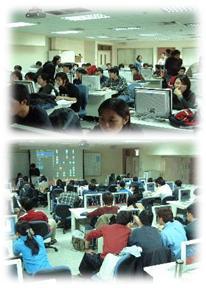
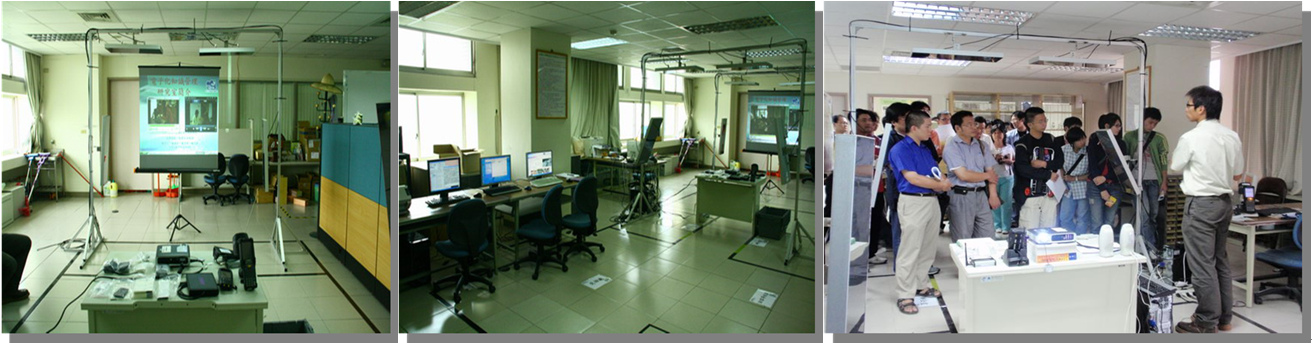
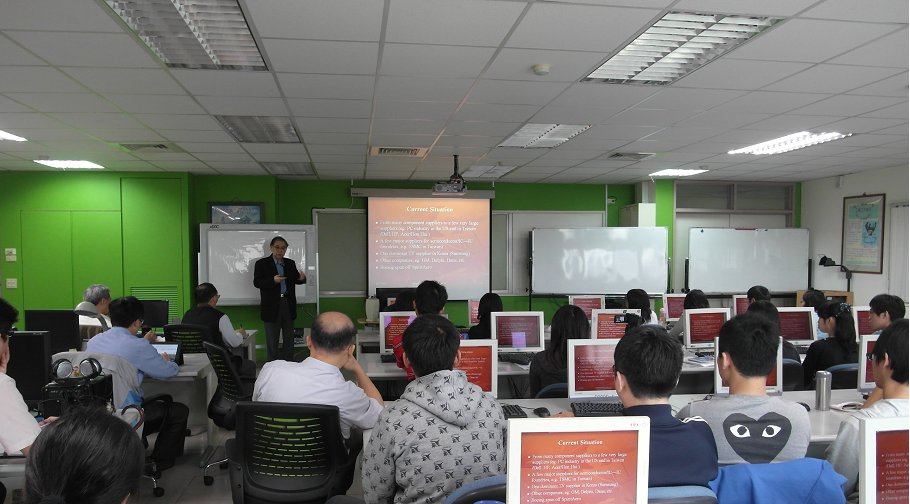
Computer has become a more vital and necessary tool for higher education; in particular, computer applications have a great impact on industrial engineering. For example, management information systems, computer-aided design and manufacturing, expert systems, system simulation, mathematical programming, operations research, statistics, production planning, site control, electronic business, and logistics management are typical applications to industrial engineering. The Management Information System (MIS) Laboratory of the Department Industrial Engineering and Engineering Management offers a variety of information services including network servers, personal computers, notebooks, printers, teaching broadcast systems, video conference systems, projectors, etc. The computer equipment in our MIS laboratory sufficiently supports the related courses, research and networking.
Production Realization Laboratory
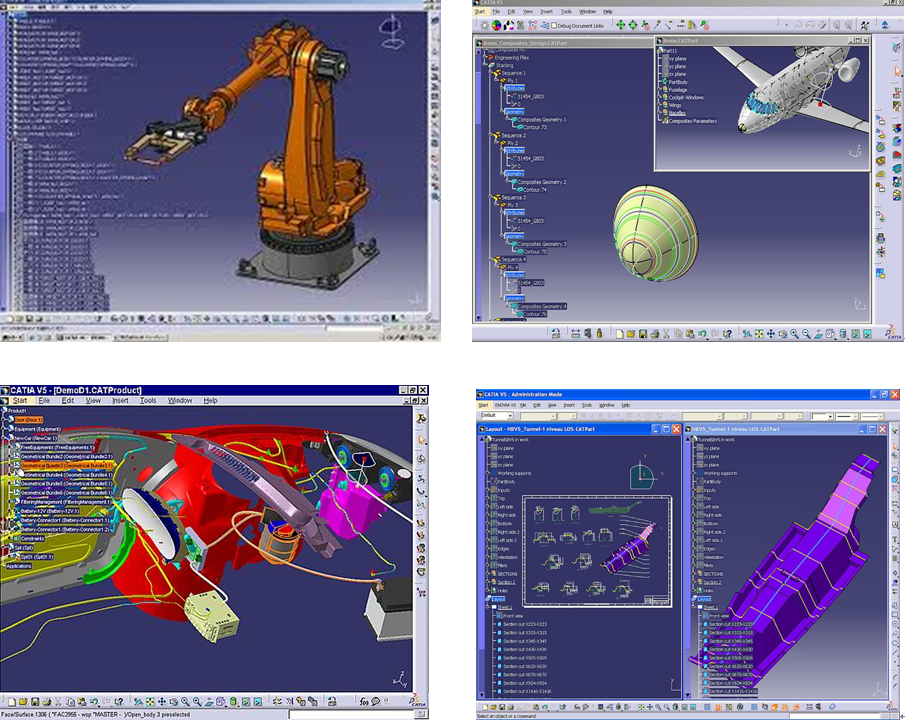
The Product Realization Lab (PRL) was established by Dr. Chih-Hsing Chu in Fall 2002. The missions of this lab include: We emphasize a balance between intellectual contribution and practicality in our research activities, which currently are focused on emerging topics such as collaborative product development, design chain integration, e-design, sustainable design, product engineering, and product life management, as well as advanced CAD/CAM. Students are encouraged to excel their potentials in theoretical findings, software development, and experimentation with a strong tie to industry.
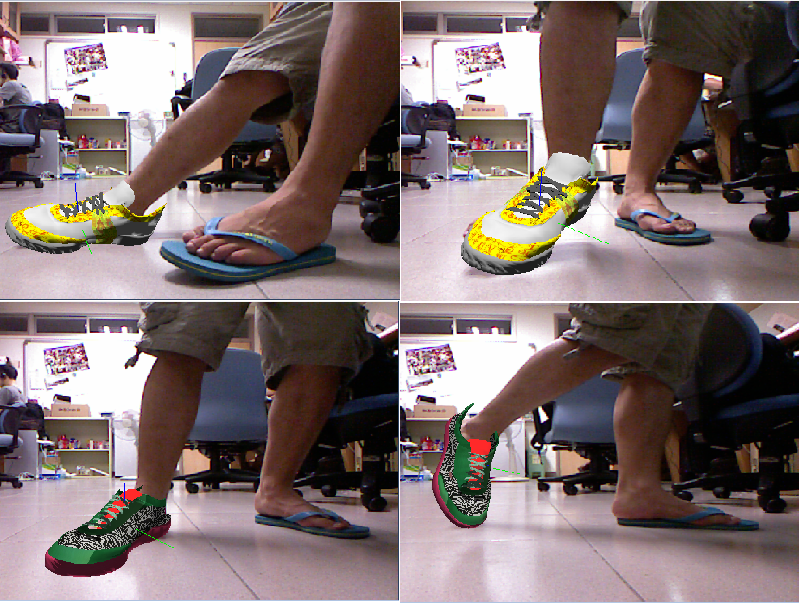
3D Real-Time Measurement and Its Applications
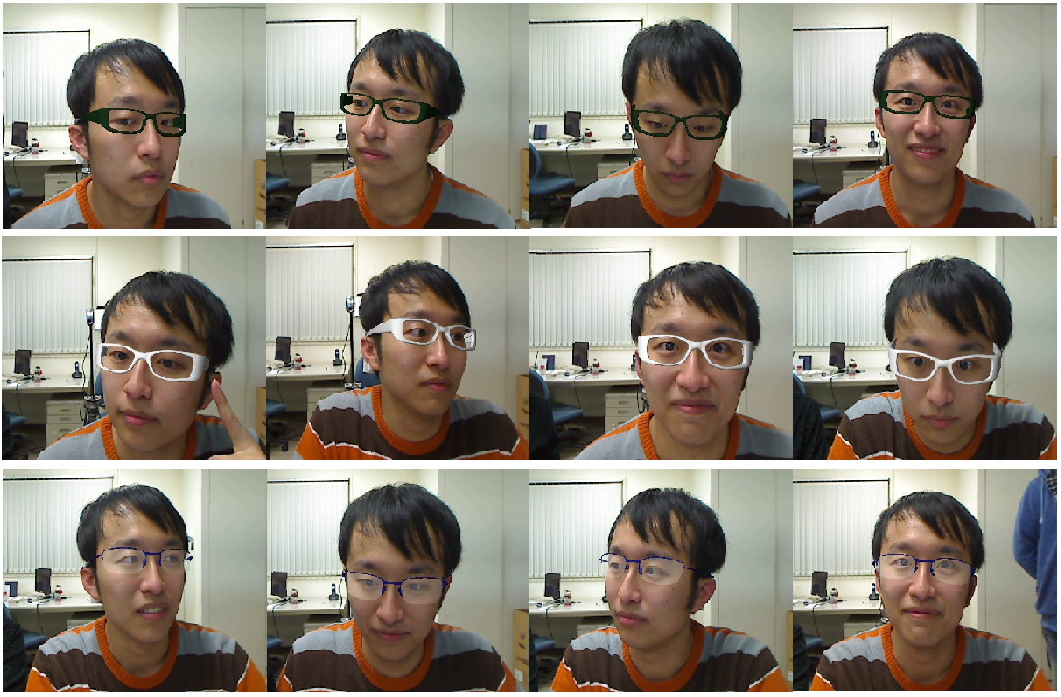
3D Virtual Shoes Try-On
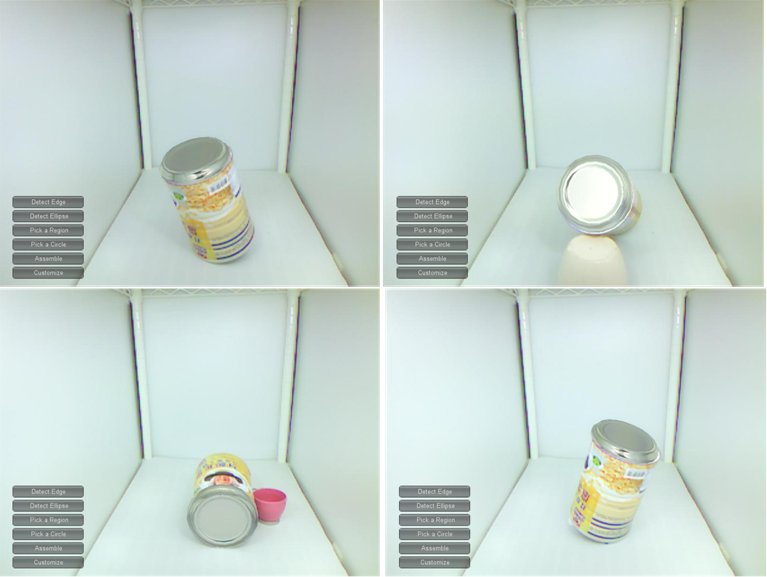
Precision Assembly of Real and Virtual Objects
Computer Aided Design
Knowledge Management (KM) & RFID Laboratory
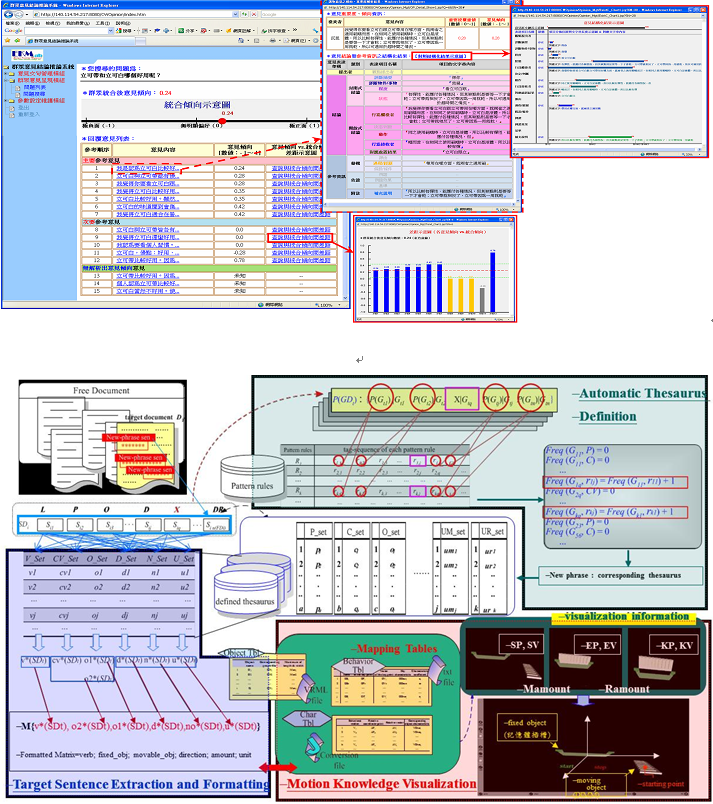
The goal of the Knowledge Management & RFID Laboratory is to establish an intelligent data and knowledge management platform for industrial applications. By utilizing the Internet and AIDC technologies, we attempt to develop prototype systems to enhance the flexibility, efficiency and security of data acquisition and knowledge analysis, management and accessing. The data/text mining algorithms as well as the OR methodologies, principal component analysis, natural language processing are applied for implementation of the advanced KM technologies and knowledge service models.
Ergonomics Laboratory
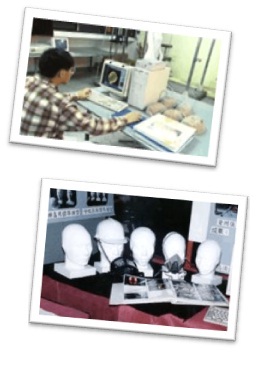 The Ergonomics Laboratories are to assist the teaching and research in ergonomics. For teaching, they supply instruments for students to perform hand-on practice to verify the knowledge acquired in lecture; for research, they provide instruments as well as environments for ergonomics research.
The Ergonomics Laboratories consist of 5 laboratories: general, work physiology/biomechanics, cognitive psychology, work environment, and anthropometry.
- General laboratory is primarily for under graduate basic courses, where contains some large tables for groups’ teaching and learning experimental instruments.
- Work physiology/biomechanics laboratory is mainly for work physiology /biomechanics courses and research. It equipped with oxygen consumption analyzer, pulmonary function testing system, EMG system, force plate, force dynamometer, motion analyzer, and 3D body scanner.
- Cognitive psychology laboratory is designed for human information processing and human-machine system courses and research. It equipped with handy flicker, speed approximation device, eye tracking system, standard lighting chamber, and many human-machine interface instruments.
- Work environment laboratory is established for environment testing, vision and color, safety courses as well as research it supply luminance meter, photoradiometer, sound analyzer, WBGT system, microwave survey meter, vibration analyzer, and etc.
- Anthropometry is devised for digital anthropometrical surveys and its application research it equipped FADO 3D digitizer, 3D bogy scanner, 3D hand/foot scanner, and etc.
The Enterprise Logistics and E-businss Center
The Enterprise Logistics and E-Business Center (ELEBC) is an innovative resource center for research and education sponsoredby the Ministry of Education, National Science Council, Ministry of Economic Affairs, and other public and private organizations. A three-tier architecture is planned and developed for ELEBC operations by integrating and incorporating resources from industries, government agencies, educational institutions, and academic research centers. Through the architecture, the most-updated software and hardware resources can be customized and demonstrated to industrial users without the limitations of locations and time. Consolidating the technical infrastructure and outreach strategies, the major accomplishments of the center are categorized as outreach, education, prototype hosting, and advanced technology (R&D) transfer.
QRC (Quality Research Center)
The QRC (Quality Research Center) was established in January 2005. The mission of QRC is to upgrade enterprise’s quality level by establishing an interactive platform through incorporating resources from industries, governmental agencies, educational institutions, and academic research centers. The QRC also aims to become a leading quality research center in Taiwan, and endeavors to provide enterprises with substantial services on quality improvement to gain a competitive advantage.